
Advance Water Treatment Technologies
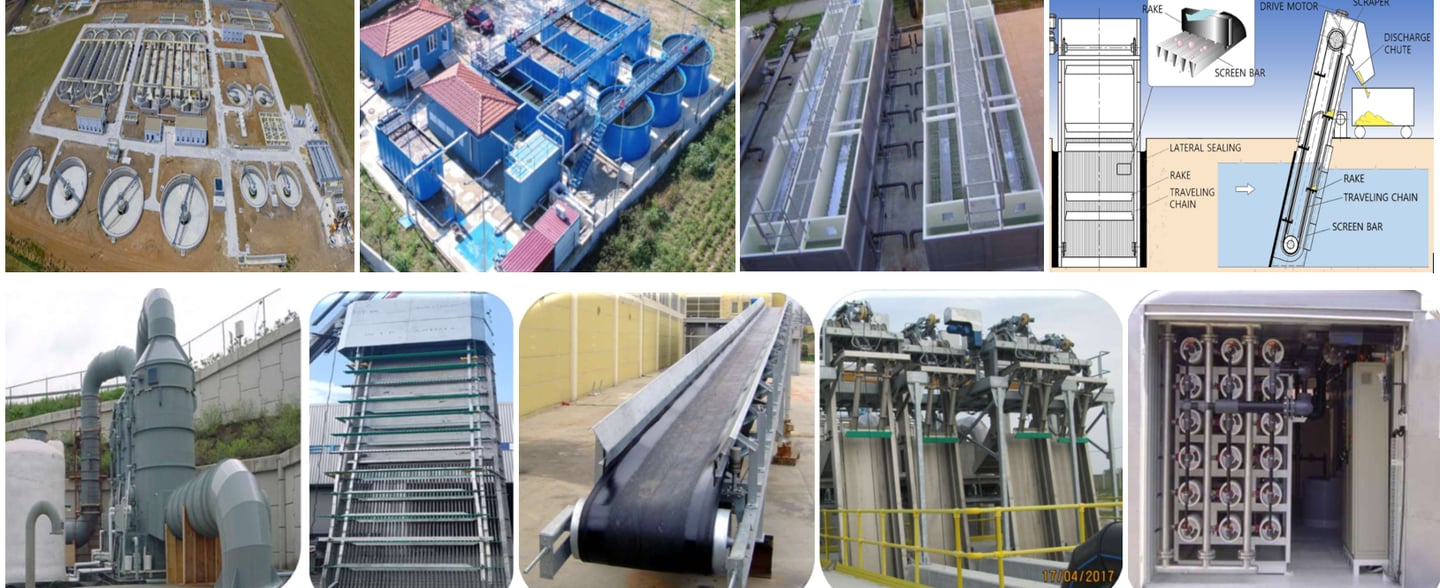
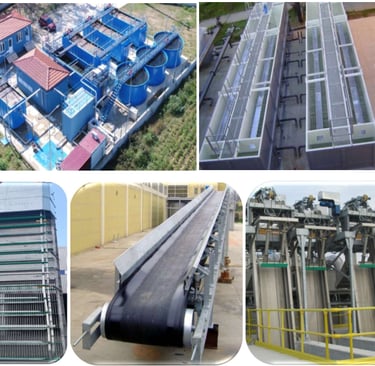
Integrated Water & Wastewater Treatment Systems
Mechasol Water Technologies provides engineering-led, integrated systems for water intake, transfer, and treatment across municipal, industrial, and infrastructure applications. Solutions are designed around hydraulic loading, influent characteristics, site conditions, and operational philosophy, and can be delivered as equipment packages or turnkey EPC scopes.
In modern water projects, reliability is driven by the “chain” performance: headworks protection, stable flow control, solids handling, separation, mixing/aeration, sludge volume reduction, and packaged treatment units. Mechasol’s approach is to deliver these as coordinated process blocks—with consistent material selection, maintainability, and automation readiness across the plant.
Target sectors include aquaculture, flood control, irrigation networks, aqueduct systems, and industrial applications, supported by both stationary and floating pumping systems and a full set of treatment plant mechanical equipment.
1) PRE-TREATMENT EQUIPMENT
Headworks Protection & Solids/Grit Handling
Pre-treatment reduces downstream loading and protects pumps, mixers, and separation stages. Mechasol emphasizes that pre-treatment selection depends on wastewater characteristics, hydraulic calculations, and topographic constraints, which is the correct engineering basis for headworks design.
1.1 Mechanical & Screening Systems
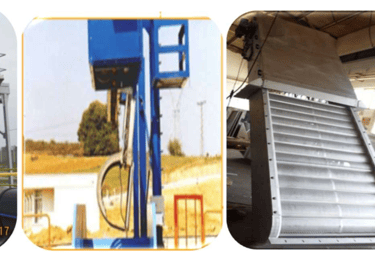
Mechasol’s screening scope covers both coarse and fine screening solutions, including:
Front-Raked Chain Screen
Rear-Raked Chain Screen
Flex Screen
Cable Mechanical Screen
Linear Mechanical Screen
Traveling Grab Screen
Basket Screen
Manual Screen
Perforated Screen
Step Screen
Belt Screen
Spiral Screen
Channel Drum Screen
Rotary Belt Screen
Externally-Fed Drum Screen
Internally-Fed Drum Screen
Key engineering parameters typically applied for screen selection and sizing:
Design flow (average / peak / storm) and channel approach velocity
Required opening (bar spacing / perforation) and expected screenings load
Headloss allowance (clean and blinded) and bypass philosophy
Cleaning method (mechanical vs manual), wash/compaction, and odor control integration
Material selection (CS vs SS) based on corrosion, H₂S exposure, and cleaning chemicals
1.2 Screenings Dewatering & Handling
Screened waste can retain significant water. Mechasol supplies:
Screen (Waste) Press (with dewatering capacity noted up to 70% in catalogue)
Spiral Conveyor Press
Conveyors (multiple types and capacities) for transfer to containers or disposal points

1.3 Grit & Grease Removal
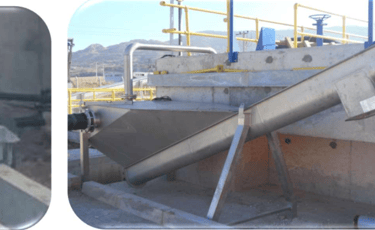
Grit/grease removal prevents abrasion, sediment accumulation, and operational instability in downstream processes. Mechasol provides:
Linear Type Grit & Grease Scraper
Compact Unit
Grit Separator
Grit Cyclone
Oil Separator
Waste Container
Belt / Spiral Conveyors (for grit and screenings logistics)
Catalogue positioning aligns with standard headworks design practice: remove grit/oil early to reduce plant load and improve overall stability.

2) FLOW CONTROL EQUIPMENT
Level Control, Isolation, Emergency Tightness
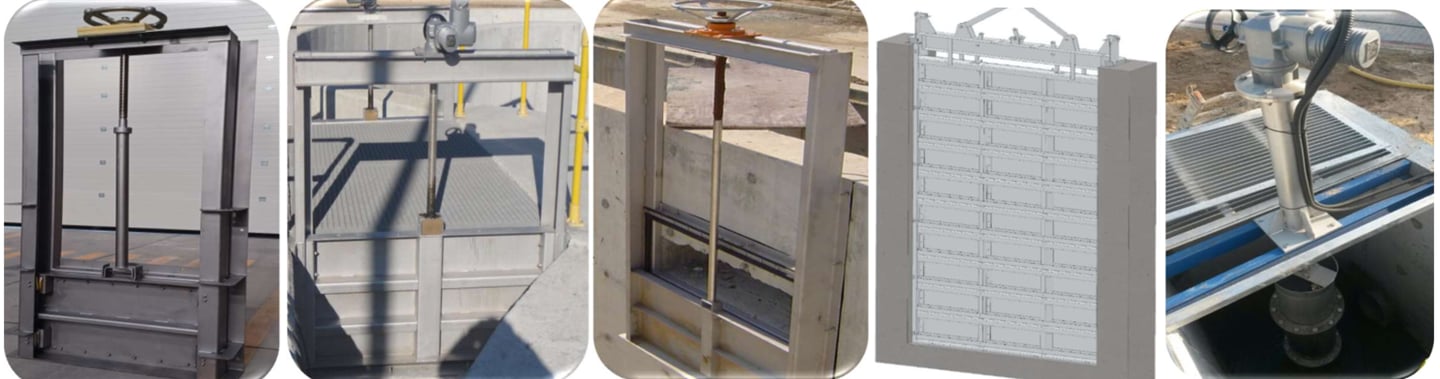
Flow control equipment forms the “hydraulic backbone” of treatment facilities, used for water level control, flow direction, isolation, and maintenance bypass. Water tightness becomes critical for emergency conditions and planned maintenance—explicitly emphasized in the catalogue.
2.1 Penstocks & Isolation Devices
Wall Penstock
Channel Penstock
Weir Penstock
Stoplog
Telescopic Valve
Typical decision factors:
Sealing type (EPDM/NBR), bidirectional sealing needs, and allowable leakage class
Actuation (manual, electric, pneumatic, hydraulic) and emergency operation
Civil interface (embedded frames, wall/channel mounting, anchor design)
Corrosion class and coating/SS requirements by water chemistry
3) SCRAPERS
Settled & Floated Solids Removal Across Treatment Stages
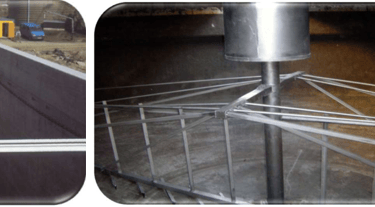
Scrapers remove settled sludge and/or floated materials and are used in multiple stages of treatment, delivered in carbon steel or stainless steel per spec.
3.1 Scraper Types (Catalogue Scope)
Circular Driven Sediment Scraper
Central Driven Sludge Scraper
Chain Surface Scraper
Chain Surface and Bottom Scraper
Engineering notes
Clarifier diameter/geometry, sludge blanket behavior, and solids loading dictate torque and drive sizing
Material selection and wear strategy (UHMWPE wear strips, SS chain options) improve lifecycle cost
Skimming and sludge withdrawal arrangement defines scum handling efficiency

4) MIXERS
Rapid, Slow, Static & In-Pipe Flocculation
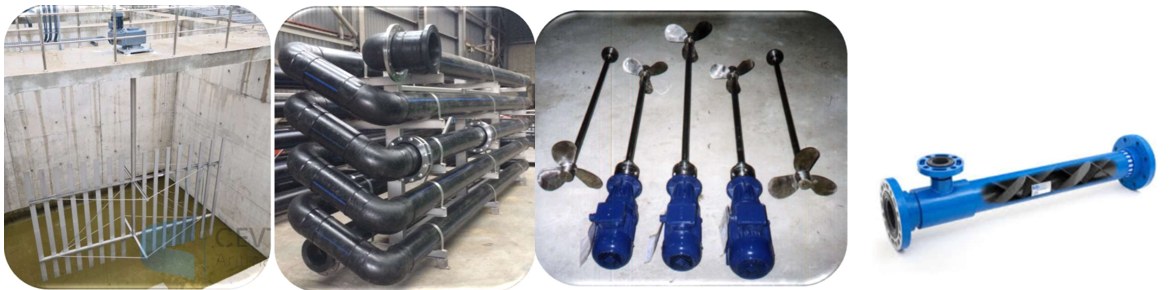
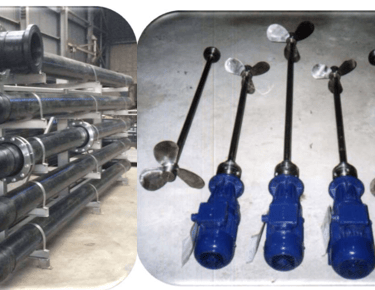
Mixers ensure homogeneous mixing, prevent sedimentation, and improve process efficiency. Mechasol states availability in slow speed, fast speed, and submersible types, and includes the following product families:
4.1 Mixer Types
Rapid Mixer
Slow Mixer
Pipe Flocculator
Static Mixer
Dynamic Mixer
Key selection parameters commonly used:
Tank volume, required G-value, and retention time
Chemical dosing points and mixing intensity zones (flash mix vs flocculation)
Mounting configuration (top-entry, side-entry, submersible)
VFD requirement and redundancy philosophy
5) AERATORS
Mass Transfer for Odor, Gas Stripping & Oxidation
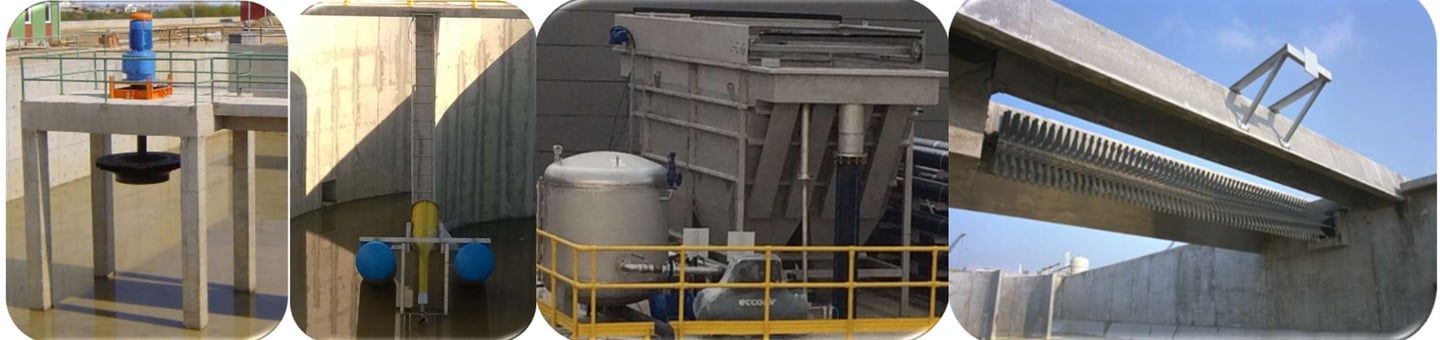
Mechasol describes aerators as operating on gas-liquid equilibrium principles and being used to remove dissolved gases and address taste/odor problems, as well as oxidation applications.
5.1 Aeration & Flotation Types (Catalogue Scope)
Vertical Shaft Aerator
Horizontal Shaft Aerator
Jet Aerator
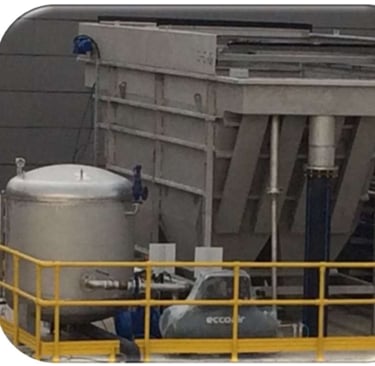
Dissolved Air Flotation (DAF)
Engineering notes
Oxygen transfer efficiency (OTE), alpha/beta factors, and diffuser/fine bubble vs mechanical selection
DAF: recycle ratio, saturation pressure, bubble size distribution, and polymer strategy
Odor-related applications often integrate with upstream screening/grit zones and odor treatment systems
6) SLUDGE DEWATERING
Volume Reduction & Disposal Cost Optimization
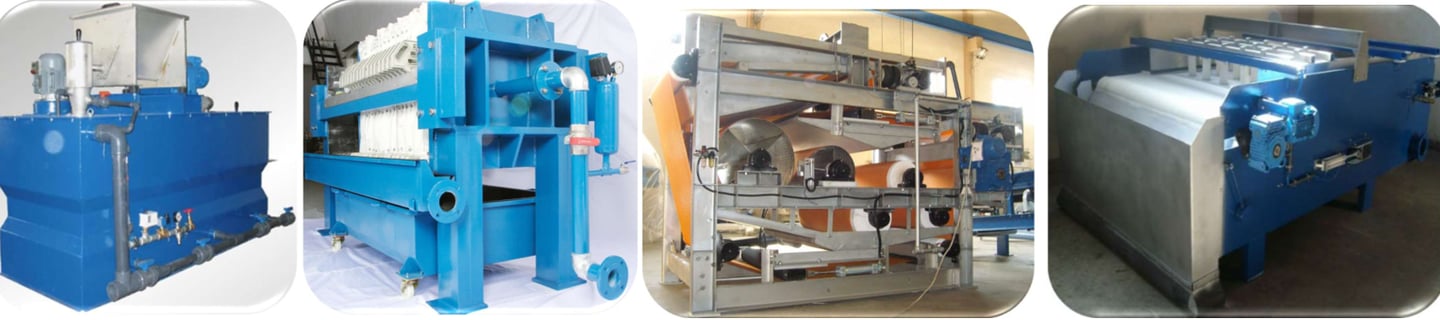
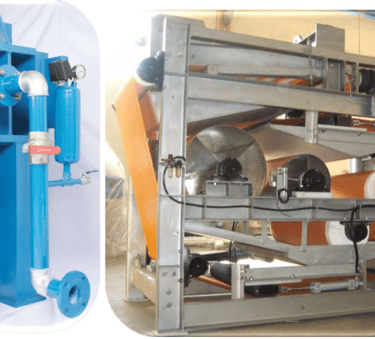
Mechasol lists sludge dewatering equipment as essential to reduce sludge volume and space requirements and supplies the following scope:
6.1 Dewatering Equipment (Catalogue Scope)
Belt Press
Filter Press
Pre-Dewatering Belt
Polyelectrolyte Preparation Unit
Lime – Alum – FeCl₃ Preparation Unit
Engineering notes
Polymer system design (maturation time, dilution water quality, skid redundancy) is often decisive in real performance
Filter press is typically preferred for higher DS and lower disposal cost; belt press for continuous operation and simpler mechanics
Chemical prep systems enable conditioning strategies (alkalinity/pH and coagulation support) to stabilize dewatering performance
7) PACKAGE TREATMENT UNITS
Compact, Fast Deployment Treatment Systems
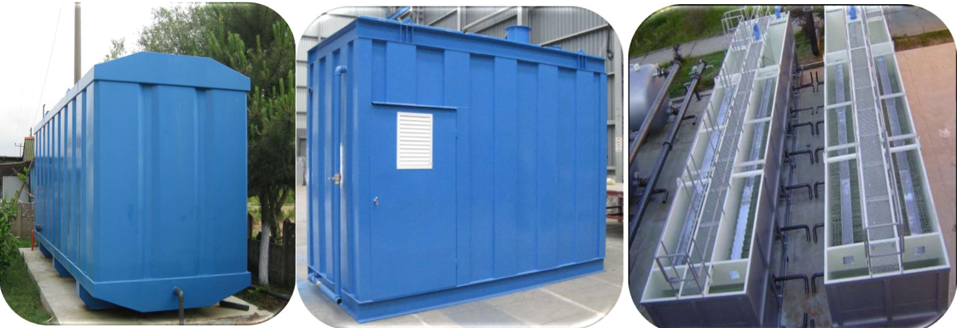
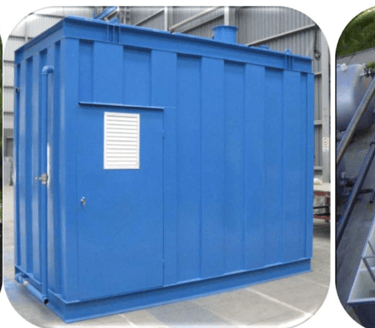
Mechasol describes biological package units as compact designs integrating piping, pumps, and aeration, with quick installation requiring only power + inlet/outlet connections—ideal for fast commissioning.
7.1 Package Unit Types (Catalogue Scope)
Steel Type Biological Treatment Unit
Concrete Type Biological Treatment Unit
Continuous System Biological Treatment Unit
Chemical Treatment Unit
River Water Treatment Unit
Typical project drivers:
Space limitations and modular deployment needs
Variable influent patterns and robustness requirements
Ease of O&M, access to internal equipment, and reduced civil scope
8) ODOR TREATMENT SYSTEMS
Odor Control & Gas Treatment for Water Facilities
Odor control is a critical requirement in wastewater treatment plants, pumping stations, sludge handling areas, and headworks where H₂S, NH₃, mercaptans, and VOCs are generated. Uncontrolled odor emissions lead to environmental complaints, corrosion, and safety risks.
Mechasol designs integrated odor treatment systems based on emission characteristics, air flow rate, and removal efficiency targets.
8.1 Chemical Scrubber Systems
Chemical scrubbers remove odorous gases through controlled gas–liquid reactions.
Key Components
Packed tower or spray tower
Chemical dosing systems (NaOH, NaOCl, acids)
Circulation pumps and mist eliminators
Control and monitoring instruments
Engineering Focus
Gas residence time
Chemical reaction efficiency
Corrosion-resistant materials (FRP / PP / SS)
8.2 Biofiltration Systems
Biofilters use biological media to biologically oxidize odorous compounds.
Advantages
Low operating cost
Environmentally friendly
Suitable for continuous low–medium odor loads
Typical Applications
Sludge dewatering buildings
Inlet works
Pump stations
8.3 Dry Chemical Odor Control Units
Compact systems injecting dry or liquid neutralizing chemicals directly into air streams.
Used Where
Space is limited
Rapid installation is required
Temporary or modular solutions are preferred
9) PACKAGE WATER & WASTEWATER TREATMENT PLANTS
Fast-Track & Modular Solutions
Package treatment plants are engineered for projects requiring short delivery time, limited space, and predictable performance.
9.1 Biological Package Units
Activated sludge
Extended aeration
Sequential batch reactor (SBR) configurations
9.2 Chemical Package Units
Neutralization
Coagulation / flocculation
Heavy metal precipitation
9.3 River & Surface Water Treatment Units
Intake + clarification
Filtration
Disinfection
All package units are factory-assembled, tested, and delivered ready for connection, minimizing site works.
10) ADVANCED TREATMENT & POLISHING SYSTEMS
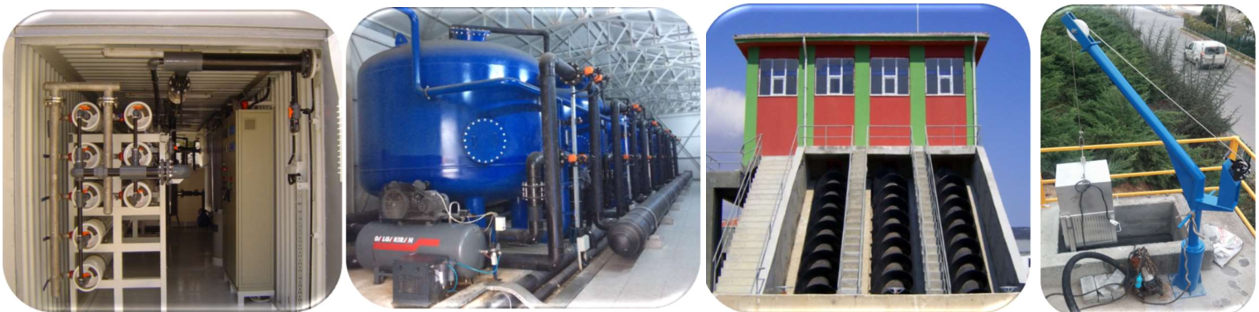
10.1 Reverse Osmosis (RO)
Brackish water RO
Industrial reuse RO
High-recovery membrane systems
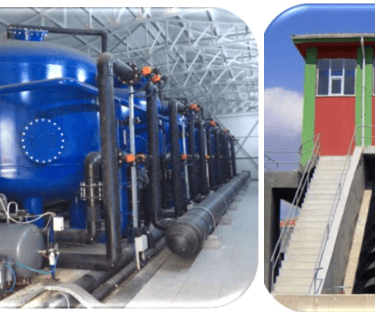
10.2 Pressure Sand & Multimedia Filters
Polishing of treated effluent
Pretreatment for membranes
Industrial process water conditioning
11) AUXILIARY & MECHANICAL SUPPORT EQUIPMENT
11.1 Archimedes Screw Pumps
Used for:
Large flows at very low head
Solids-laden wastewater
Flood protection channels
11.2 Lifting & Maintenance Equipment
Jib cranes
Hoists
Maintenance platforms
These systems ensure safe and efficient operation during maintenance activities.
12) EPC & TURNKEY DELIVERY CAPABILITY
From Concept to Commissioning
Mechasol delivers water technology projects as:
Equipment supply
Modular skid packages
Full EPC turnkey projects
EPC Scope Includes
Process and hydraulic design
Mechanical and electrical engineering
Manufacturing and factory testing
Installation and commissioning
Operator training and after-sales support
13) MECHASOL DIFFERENTIATION IN WATER TECHNOLOGIES
In-house mechanical fabrication capability
Strong pumping and hydraulic engineering expertise
Integrated floating and stationary pumping solutions
Reduced civil works and faster execution
Long-term operational reliability focus